
Still Not Sure Where to
Start? Contact Us.
Ready to embark on your real estate journey? Contact us today to schedule a consultation with one of our experienced agents.


Why Work With Grand Union
We help you make the next move with context, honesty, and a strategy built around your life, not just the market.
Story-first. NOT transaction-first
Your goal, timing and risk tolerance drive the plan, not the listing cycle.
Region- and neighborhood-specific strategy
Pricing, timing, inventory, and trade-offs change block by block. We help you read the local picture.
Clarity when it counts
You'll get the full truth on trade-offs before you're on the hook.
The real East Metro story
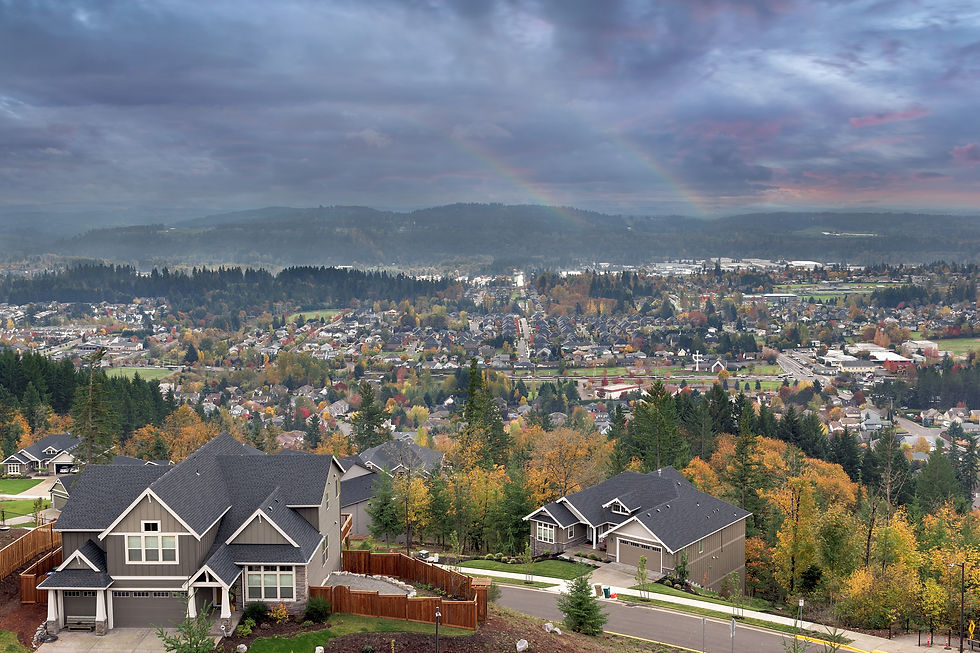
East Metro is often treated as Portland’s value catch‑all, but it is really a set of distinct micro-markets. Rockwood in Gresham is the entry point, where low prices draw first-time buyers and investors. Mill Park and Wilkes East sit in similar value bands, typically well below the east side’s broader prices and below nearby neighborhoods like Rose City Park. Parkrose and Parkrose Heights form East Metro’s mid-band: largely owner-held, freeway-linked, and priced between the value pockets and close-in Northeast. Argay Terrace sits above that as a mid‑century pocket with larger lots and the cluster’s highest prices. Together, these neighborhoods make up a corridor where you trade some polish, and in some pockets higher perceived risk, for entry prices well below inner-core Portland.
Neighborhood Profiles
The real East Metro story
Neighborhood profiles
Rockwood, Wilkes East, and Mill Park
Deepest value pocket | First-time buyers, cash‑flow investors | Entry price, more risk
Rockwood and adjacent value pockets like Wilkes East and parts of Mill Park are East Metro’s sharpest affordability and investment plays.
Rockwood typically sits below Gresham’s overall prices, which makes it the city’s entry point for owners and landlords alike.
Rental and ownership demand both run through these blocks, and prices tend to swing more here than in steadier owner-occupied pockets.
Asking prices and closing prices can sit far apart, so comparables matter more than list price.
The trade-off is higher sensitivity to policy, crime perception, and macro conditions; returns will favor those who underwrite block‑by‑block and hold through volatility.
Deepest value pocket | First-time buyers, cash‑flow investors | Entry price, more risk
Rockwood and adjacent value pockets like Wilkes East and parts of Mill Park are East Metro’s sharpest affordability and investment plays.
Rockwood typically sits below Gresham’s overall prices, which makes it the city’s entry point for owners and landlords alike.
Rental and ownership demand both run through these blocks, and prices tend to swing more here than in steadier owner-occupied pockets.
Asking prices and closing prices can sit far apart, so comparables matter more than list price.
The trade-off is higher sensitivity to policy, crime perception, and macro conditions; returns will favor those who underwrite block‑by‑block and hold through volatility.
Rockwood, Wilkes East, and Mill Park
Freeway-linked mid-band | Working families, eastside commuters | Freeway access, owner-held
Parkrose Heights, Parkrose, and adjacent Wilkes corridors form the “mid-band” of East Metro: cheaper than close-in Northeast, more expensive than Rockwood, and tightly linked to I‑84 and the airport.
Most homes are owner-occupied, and the area has an “urban suburban mix” feel—a largely owner-held, mid-priced neighborhood that changes incrementally, not wholesale.
For buyers, this pocket offers a balance: lower entry costs than inner Northeast and quick freeway access.
As an investment, you are trading some volatility and stigma risk for steady demand from families and commuters who still want to own on the east side.

Parkrose Heights, Parkrose, and Wilkes / Argay Fringe
Mid‑century, bigger lots | Mid‑century enthusiasts, stability seekers | Freeway access
Argay Terrace is one of East Metro’s more established pockets: a mid‑century neighborhood with larger lots and freeway proximity.
Argay is a mid-priced pocket rather than an entry-level value play, and larger or updated homes on NE Rose Parkway push into a higher bracket within the same neighborhood.
For buyers, Argay Terrace is a way to buy into a more established eastside pocket—with mid‑century homes, bigger yards, and quick freeway access—without paying inner Northeast prices.
As an investment, it behaves like a mid-tier, owner-occupied neighborhood with a strong bench of buyers; the key risk is less about decline and more about overpaying for cosmetic upgrades above the neighborhood’s core value band.

Argay Terrace and Upper East Corridors

East Metro investment reality
East Metro’s spectrum runs from entry-level value in Rockwood and adjacent pockets, to owner-held mid-band markets in Parkrose and Parkrose Heights, to established mid‑century Argay Terrace. Prices tend to swing more where investors are active and hold steadier where owner-occupancy runs high.
Parkrose Heights, Parkrose, and Wilkes / Argay Fringe
Freeway-linked mid-band | Working families, eastside commuters | Freeway access, owner-held
Parkrose Heights, Parkrose, and adjacent Wilkes corridors form the “mid-band” of East Metro: cheaper than close-in Northeast, more expensive than Rockwood, and tightly linked to I‑84 and the airport.
Most homes are owner-occupied, and the area has an “urban suburban mix” feel—a largely owner-held, mid-priced neighborhood that changes incrementally, not wholesale.
For buyers, this pocket offers a balance: lower entry costs than inner Northeast and quick freeway access.
As an investment, you are trading some volatility and stigma risk for steady demand from families and commuters who still want to own on the east side.
Argay Terrace and Upper East Corridors
Mid‑century, bigger lots | Mid‑century enthusiasts, stability seekers | Freeway access
Argay Terrace is one of East Metro’s more established pockets: a mid‑century neighborhood with larger lots and freeway proximity.
Argay is a mid-priced pocket rather than an entry-level value play, and larger or updated homes on NE Rose Parkway push into a higher bracket within the same neighborhood.
For buyers, Argay Terrace is a way to buy into a more established eastside pocket—with mid‑century homes, bigger yards, and quick freeway access—without paying inner Northeast prices.
As an investment, it behaves like a mid-tier, owner-occupied neighborhood with a strong bench of buyers; the key risk is less about decline and more about overpaying for cosmetic upgrades above the neighborhood’s core value band.
How Grand Union Helps
.png)
East Metro investment reality
East Metro’s spectrum runs from entry-level value in Rockwood and adjacent pockets, to owner-held mid-band markets in Parkrose and Parkrose Heights, to established mid‑century Argay Terrace. Prices tend to swing more where investors are active and hold steadier where owner-occupancy runs high.
Tier 1 is Argay Terrace and similar upper east corridors: the highest prices, larger lots, and demand that rewards well‑located, well‑maintained mid‑century product.
Tier 1.5 is Parkrose and Parkrose Heights: mid-band pricing, owner-held, freeway-linked blocks, and steady demand from families and commuters.
Tier 2 is Rockwood, Wilkes East, and Mill Park: the lowest prices, bigger price swings, and rental and ownership demand that point to both risk and opportunity for buyers who underwrite carefully.
Your fit depends on whether you are optimizing for entry price and upside (Rockwood/value band), mid-band affordability with freeway access (Parkrose/Heights), or a more established mid‑century pocket (Argay).
Comparison Table
Neighborhood | Median Price | Appreciation | Vibe | Best For |
|---|---|---|---|---|
Mill Park | $400k · 81 sales | −3.7% (6-mo) | Value corridor, modest homes | First-time buyers, cash-flow-oriented investors |
Wilkes | $445k · 150 sales | −2.0% (6-mo) | Serviceable mid-century housing stock | Buyers trading finish for price and access |
Parkrose | $410k · 47 sales | Too few sales to call | Freeway-linked, small-city feel | Working families, commuters wanting a mid-band price |
Parkrose Heights | $425k · 74 sales | −1.7% (6-mo) | Mid-band, owner-heavy streets | Households wanting stability plus upside |
Argay Terrace | $505k · 43 sales | Too few sales to call | Quiet mid-century, bigger lots | Stability seekers, mid-tier equity builders |
Neighborhood files: Buying in Hazelwood · Buying in Centennial
Compare Portland neighborhoods: Portland home prices by neighborhood

Why Work With Grand Union
We help you navigate them with context, honesty, and a strategy built around your life, not just the market.
Why Work With Grand Union
We help you make the next move with context, honesty, and a strategy built around your life, not just the market.
Story-first. NOT transaction-first
Your goal, timing and risk tolerance drive the plan, not the listing cycle.
Region- and neighborhood-specific strategy
Pricing, timing, inventory, and trade-offs change block by block. We help you read the local picture.
Clarity when it counts
You'll get the full truth on trade-offs before you're on the hook.
Why Work With Grand Union
We help you navigate them with context, honesty, and a strategy built around your life, not just the market.
Why Work With Grand Union
We help you navigate them with context, honesty, and a strategy built around your life, not just the market.
Story-first. not transaction-first
Your goal, timing and risk tolerance drive the plan, not the listing cycle.
Region- and neighborhood-specific strategy
Region- and neighborhood-specific strategy
Clarity when it counts
You'll get the full truth on trade-offs before you're on the hook.


Story-first. NOT transaction-first
Your goal, timing and risk tolerance drive the plan, not the listing cycle.
Region- and neighborhood-specific strategy
Pricing, timing, inventory, and trade-offs change block by block. We help you read the local picture.
Clarity when it counts
You'll get the full truth on trade-offs before you're on the hook.
Every deal gives back
A portion of every commission supports our Community Partners: Proud Ground (affordable homeownership) and Outdoor School (science education).
Why Work With Grand Union
We help you make the next move with context, honesty, and a strategy built around your life, not just the market.
Copyright (c) 2026 Grand Union

Buy, sell, or invest with a team that knows the house, the block, and the stakes behind the deal.
Grand Union brings local context, disciplined strategy, and a commitment to leaving something useful behind.
Copyright (c) 2026 Grand Union
Stories Behind the Sold Sign
From the Grand Union blog: deep dives on deals, neighborhoods, and strategies that build both equity and community.


Still Not Sure Where to
Start? Contact Us.
Ready to embark on your real estate journey? Contact us today to schedule a consultation with one of our experienced agents.
FAQs
Who does East Metro work best for?
Price-sensitive buyers and long-term upside seekers comfortable being farther out.
What are the key trade-offs?
Commute and car dependence, plus varying neighborhood fabric.
Is “more house for the money” always a win?
Only if your monthly budget (including utilities and maintenance) stays comfortable.
What should buyers verify?
Daily-life convenience, commute reality, and the home’s condition.
Can investors succeed here?
Potentially—especially with a clear tenant profile and conservative underwriting.
Buy, sell, or invest with a team that knows the house, the block,
and the stakes behind the deal.
Good real estate should protect the client and strengthen the place.
Whether you are buying, selling, or investing, Grand Union brings local context, disciplined strategy, and a commitment to leaving something useful behind. Read More ->
Copyright (c) 2026 Grand Union
Copyright (c) 2026 Grand Union
Buy, sell, or invest with a team that knows the house, the block, and the stakes behind the deal. Grand Union brings local context, disciplined strategy, and a commitment to leaving something useful behind. Read More ->
Copyright (c) 2026 Grand Union