
Still Not Sure Where to
Start? Contact Us.
Ready to embark on your real estate journey? Contact us today to schedule a consultation with one of our experienced agents.

Know where to look (before you start looking).
Get our full guide to choosing the right PNW neighborhood, with local insights on infrastructure, home prices, and where people tend to stay or move out.

On the Block
Monthly Market Brief
A concise read on PNW regions, neighborhoods, pricing movement, buyer behavior, and where the market is headed.
Why Work With Grand Union
We help you make the next move with context, honesty, and a strategy built around your life, not just the market.
Story-first. NOT transaction-first
Your goal, timing and risk tolerance drive the plan, not the listing cycle.
Region- and neighborhood-specific strategy
Pricing, timing, inventory, and trade-offs change block by block. We help you read the local picture.
Clarity when it counts
You'll get the full truth on trade-offs before you're on the hook.
The real Vancouver story
Vancouver’s west and central corridors are not a Portland annex; they are a separate tax, school, and lifestyle system that happens to sit across the river. Washington’s lack of state income tax pulls in higher earners and remote workers, while Oregon’s tax on commuters forces anyone driving to downtown Portland to do real math on where they live and how they work. Downtown and the waterfront have shifted from sleepy to mixed-use, with new condos and rentals, while older ranches and split-levels in Hazel Dell and central Vancouver attract families trading a longer drive for a yard and a lower payment. The throughline is choice: tax angle, commute pattern, and how much “city” you actually want to live in day to day.
Neighborhood Profiles
The real Vancouver story
Neighborhood profiles
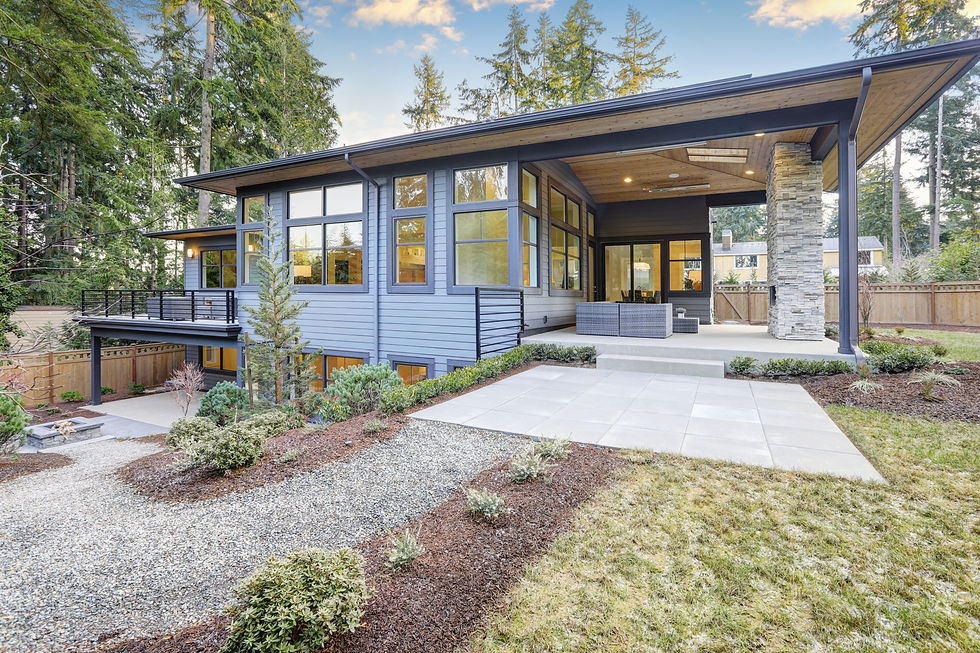
Downtown Vancouver and the Waterfront
$550k–$650k median | Tax-savvy professionals, downsizers | 3–5% annual appreciation (steady, urban-core)
Downtown Vancouver and the Columbia River waterfront are where Southwest Washington finally decided to act like a small city instead of a bedroom community.
Mid-rise condos and townhomes cluster around new restaurants, a riverfront park, and improving bike links into the core. Appreciation is no longer explosive, but the combination of lock-and-leave living, no state income tax, and walkable amenities keeps demand resilient even as rates move.
For many Portland workers who can go hybrid or remote, this strip converts a chunk of their tax bill into mortgage instead. The trade-off is clear: you get views and convenience, but you pay more per square foot and accept event traffic and ongoing construction as part of the package.
$550k–$650k median | Tax-savvy professionals, downsizers | 3–5% annual appreciation (steady, urban-core)
Downtown Vancouver and the Columbia River waterfront are where Southwest Washington finally decided to act like a small city instead of a bedroom community.
Mid-rise condos and townhomes cluster around new restaurants, a riverfront park, and improving bike links into the core. Appreciation is no longer explosive, but the combination of lock-and-leave living, no state income tax, and walkable amenities keeps demand resilient even as rates move.
For many Portland workers who can go hybrid or remote, this strip converts a chunk of their tax bill into mortgage instead. The trade-off is clear: you get views and convenience, but you pay more per square foot and accept event traffic and ongoing construction as part of the package.
Downtown Vancouver and the Waterfront
$425k–$500k median | Families, move-up buyers | 3–4% annual appreciation (stable, suburban)
Hazel Dell and West Hazel Dell are Vancouver’s classic “I want a house, not a lifestyle brand” suburbs. You see 1960s–1990s ranches, split-levels, and newer infill on mid-sized lots, with prices that often sit a step below downtown and the waterfront but above farther-out Clark County.
Appreciation here has cooled from pandemic highs into a 3–4% band, which suits families who care more about monthly payment, commute time to I‑5, and school options than riding the next wave.
For Portland refugees, this is the compromise zone: still close enough to hop over the bridge, but far enough to get a driveway, a garage, and a little less intensity. The risk is that it rarely “pops”—but that is exactly why it works for long-term owners.

Hazel Dell and West Hazel Dell
$525k–$600k median | Commuters, remote professionals | 4–6% annual appreciation (growth corridor)
East Mill Plain and the 164th–192nd corridors function as Vancouver’s growth engine: newer subdivisions, master-planned communities, and a heavy mix of commuters and remote tech or professional workers.
Prices tend to run higher than older west-side stock, but buyers trade that up-front cost for newer construction, better energy efficiency, and easier access east toward Camas and the Columbia Tech Center.
Appreciation has been stronger than in the older core, driven by incoming households who want Washington tax treatment but still need access to Portland’s job base or regional freeways.
The play here is less about charm and more about predictability: stable HOAs, consistent product, and schools that keep family demand high—tempered by the usual risks of any fast-growing corridor if employers or rates shift.

East Mill Plain and 164th–192nd Corridors

Vancouver investment reality
Vancouver’s west and central band—downtown, Hazel Dell, and Mill Plain—compress tax arbitrage, lifestyle, and commute math into one map. Downtown and the waterfront act like an urban condo market, Hazel Dell offers classic, payment-focused suburbia, and East Mill Plain plays the growth-corridor card. The real question is which mix of tax savings, house size, and bridge dependence you are actually comfortable living with.
Hazel Dell and West Hazel Dell
$425k–$500k median | Families, move-up buyers | 3–4% annual appreciation (stable, suburban)
Hazel Dell and West Hazel Dell are Vancouver’s classic “I want a house, not a lifestyle brand” suburbs. You see 1960s–1990s ranches, split-levels, and newer infill on mid-sized lots, with prices that often sit a step below downtown and the waterfront but above farther-out Clark County.
Appreciation here has cooled from pandemic highs into a 3–4% band, which suits families who care more about monthly payment, commute time to I‑5, and school options than riding the next wave.
For Portland refugees, this is the compromise zone: still close enough to hop over the bridge, but far enough to get a driveway, a garage, and a little less intensity. The risk is that it rarely “pops”—but that is exactly why it works for long-term owners.
East Mill Plain and 164th–192nd Corridors
$525k–$600k median | Commuters, remote professionals | 4–6% annual appreciation (growth corridor)
East Mill Plain and the 164th–192nd corridors function as Vancouver’s growth engine: newer subdivisions, master-planned communities, and a heavy mix of commuters and remote tech or professional workers.
Prices tend to run higher than older west-side stock, but buyers trade that up-front cost for newer construction, better energy efficiency, and easier access east toward Camas and the Columbia Tech Center.
Appreciation has been stronger than in the older core, driven by incoming households who want Washington tax treatment but still need access to Portland’s job base or regional freeways.
The play here is less about charm and more about predictability: stable HOAs, consistent product, and schools that keep family demand high—tempered by the usual risks of any fast-growing corridor if employers or rates shift.
How Grand Union Helps
.png)
Vancouver investment reality
Vancouver’s west and central band—downtown, Hazel Dell, and Mill Plain—compress tax arbitrage, lifestyle, and commute math into one map. Downtown and the waterfront act like an urban condo market, Hazel Dell offers classic, payment-focused suburbia, and East Mill Plain plays the growth-corridor card. The real question is which mix of tax savings, house size, and bridge dependence you are actually comfortable living with.
Think of this region in tiers. Tier 1 is the downtown and waterfront strip, where buyers pay a premium for views and walkability while using Washington’s tax structure to soften the blow.
Tier 2 is East Mill Plain and the 164th–192nd corridors, where newer product and family demand drive solid, growth-oriented appreciation.
Tier 3 is Hazel Dell and West Hazel Dell, offering older but reliable housing stock, modest appreciation, and easier entry points for buyers who prize space and predictability over headlines.
Your fit depends on commute patterns, appetite for HOAs and density, and how aggressively you want tax and appreciation working together.
Comparison Table
Neighborhood | Median Price | Appreciation | Vibe | Best For |
|---|---|---|---|---|
Downtown Vancouver / Waterfront | High-$500ks–$700k | Flat to modest gains | Urbanizing waterfront, condo-heavy | Buyers wanting newer urban product with WA taxes |
Central Vancouver neighborhoods | High-$400ks–low-$500ks | 0% to +3% | Post-war stock, improving amenities | First-time buyers and Portland switchers |

Why Work With Grand Union
We help you navigate them with context, honesty, and a strategy built around your life, not just the market.
Why Work With Grand Union
We help you make the next move with context, honesty, and a strategy built around your life, not just the market.
Story-first. NOT transaction-first
Your goal, timing and risk tolerance drive the plan, not the listing cycle.
Region- and neighborhood-specific strategy
Pricing, timing, inventory, and trade-offs change block by block. We help you read the local picture.
Clarity when it counts
You'll get the full truth on trade-offs before you're on the hook.
Why Work With Grand Union
We help you navigate them with context, honesty, and a strategy built around your life, not just the market.
Why Work With Grand Union
We help you navigate them with context, honesty, and a strategy built around your life, not just the market.
Story-first. not transaction-first
Your goal, timing and risk tolerance drive the plan, not the listing cycle.
Region- and neighborhood-specific strategy
Region- and neighborhood-specific strategy
Clarity when it counts
You'll get the full truth on trade-offs before you're on the hook.

On the Block
Monthly Market Brief
A concise read on PNW regions, neighborhoods, pricing movement, buyer behavior, and where the market is headed.
Know Where to Look (before you start looking).
Get our full guide to choosing the right PNW neighborhood, with local insights on infrastructure, home prices, and where people tend to stay or move out.


Story-first. NOT transaction-first
Your goal, timing and risk tolerance drive the plan, not the listing cycle.
Region- and neighborhood-specific strategy
Pricing, timing, inventory, and trade-offs change block by block. We help you read the local picture.
Clarity when it counts
You'll get the full truth on trade-offs before you're on the hook.
Every deal gives back
A portion of every commission supports our Community Partners: Proud Ground (affordable homeownership) and Outdoor School (science education).
Why Work With Grand Union
We help you make the next move with context, honesty, and a strategy built around your life, not just the market.
Copyright (c) 2026 Grand Union

Buy, sell, or invest with a team that knows the house, the block, and the stakes behind the deal.
Grand Union brings local context, disciplined strategy, and a commitment to leaving something useful behind.
Copyright (c) 2026 Grand Union
On the Block
Monthly Market Brief
A concise read on PNW regions, neighborhoods, pricing movement, buyer behavior, and where the market is headed.
Know Where to Look (before you start looking).
Get our full guide to choosing the right PNW neighborhood, with local insights on infrastructure, home prices, and where people tend to stay or move out.
Stories Behind the Sold Sign
From the Grand Union blog: deep dives on deals, neighborhoods, and strategies that build both equity and community.


Still Not Sure Where to
Start? Contact Us.
Ready to embark on your real estate journey? Contact us today to schedule a consultation with one of our experienced agents.
FAQs
Why do buyers choose Vancouver over Portland?
Often for cost structure, schools, and a different lifestyle/political profile—while staying tied to Portland’s economy.
What are the biggest trade-offs?
Commute reality, neighborhood feel differences, and the fact that “Portland lifestyle” doesn’t map 1:1 across the river.
How do I compare monthly cost accurately?
Model the full picture: mortgage, taxes, insurance, utilities, commuting cost, and maintenance.
Is Vancouver good for investors?
It can be—depending on tenant demand, neighborhood selection, and your operating plan.
Can you help me sell in Vancouver/Clark County?
Yes—we build a seller strategy around prep, pricing, and net proceeds.
Buy, sell, or invest with a team that knows the house, the block,
and the stakes behind the deal.
Good real estate should protect the client and strengthen the place.
Whether you are buying, selling, or investing, Grand Union brings local context, disciplined strategy, and a commitment to leaving something useful behind.
Copyright (c) 2026 Grand Union
Copyright (c) 2026 Grand Union
Buy, sell, or invest with a team that knows the house, the block, and the stakes behind the deal. Grand Union brings local context, disciplined strategy, and a commitment to leaving something useful behind.
Copyright (c) 2026 Grand Union