
Buying in Powellhurst-Gilbert: the most transactions of any Portland neighborhood under $450,000
The short version
242 homes sold in Powellhurst-Gilbert in the twelve months to late August 2026 — more than any other Portland neighborhood with a median under $450,000, and the third-highest count in the city after the Pearl District and Downtown.
The median was $404,500, at $289 a square foot. Six-month trend: +1.2%, which is flat.
That combination is the whole story. This is not a neighborhood appreciating fast. It is the neighborhood where the most people are actually buying at a price a first-time buyer can reach.
Source: Multnomah County recorded sales, September 2025 through August 2026, residential property classes and warranty deeds only. Pulled 14 September 2026; county recording lags closings by about three weeks, so the window effectively ends 24 August.
Where it is
Outer southeast Portland, east of I-205, running roughly from Division down toward Foster and out past 122nd. Powell Butte Nature Park sits on its eastern edge. Most of it is inside the David Douglas School District rather than Portland Public.
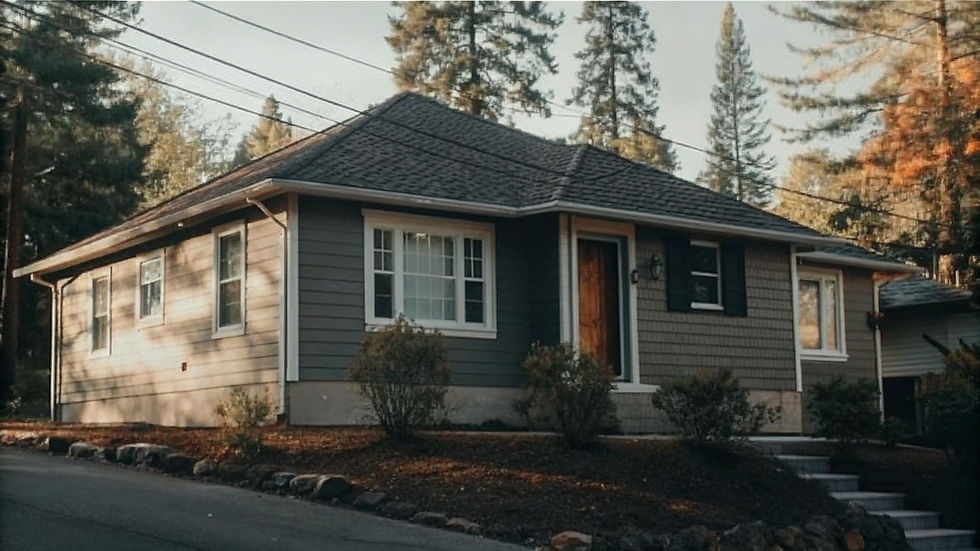
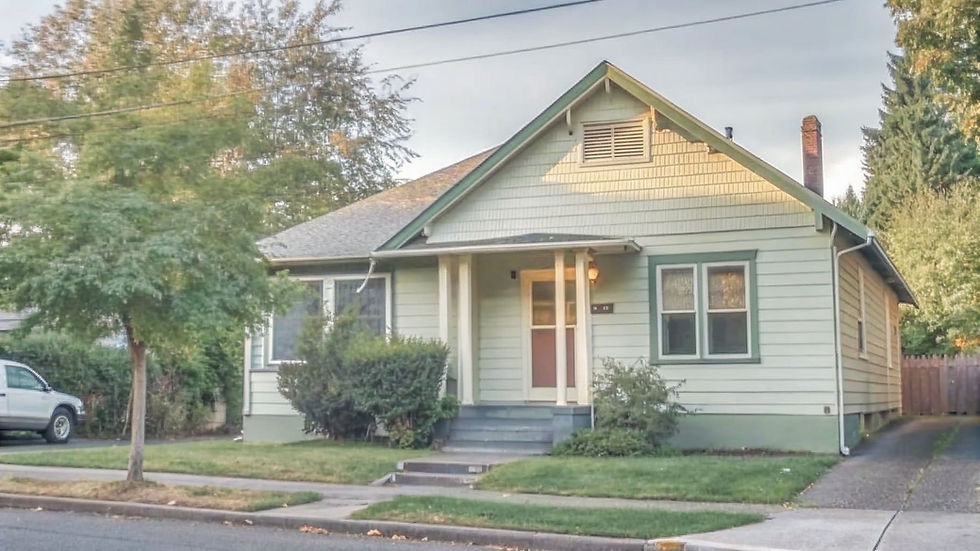
The housing stock is the reason the number looks the way it does: mid-century ranches and split-levels on deep lots, built when land out here was cheap and nobody was economizing on square footage. Sidewalks are inconsistent — some streets have them, plenty don't.
What $289 a square foot means
It is the third-lowest price per square foot of any Portland neighborhood that moved 150 or more homes this year. Only Pleasant Valley and Hazelwood came in cheaper.
Put next to the close-in southeast neighborhoods that get written about more: Richmond is $438, Sellwood-Moreland $402, Hosford-Abernethy $428. A buyer who moves their search from close-in southeast to Powellhurst-Gilbert is buying roughly a third more house per dollar.
What they are paying for it is distance and transit. That is a real trade and it should be made on purpose rather than by running out of budget.
Reading the flat trend honestly
+1.2% over six months is not a market going anywhere. On 242 sales, though, it is a number you can trust — the trend figure gets unreliable in low-volume neighborhoods, where it mostly tracks which particular houses happened to close.
Two ways to read a flat, high-volume market, and both are true:
For a buyer: less competitive urgency than a neighborhood running double-digit gains. More room to inspect properly, more room to negotiate on condition.
For an investor: volume without appreciation is a rental-yield market, not an appreciation play. Model it as one.
Three things to check before you write
The sewer line. Deep lots mean long laterals, and long laterals on 1950s and 1960s stock are where the expensive surprises live. A sewer scope is not optional out here.
The school district. Much of Powellhurst-Gilbert is David Douglas, not Portland Public. Buyers who assumed otherwise find out late, and it is a thing people care about.
Flood and hazard designation, address by address. Johnson Creek runs along the southern edge of this part of outer southeast. Look the specific address up on PortlandMaps during your inspection window rather than reasoning from the neighborhood.
Where this fits
Powellhurst-Gilbert sits in the same outer-southeast corridor as Foster-Powell and Mt. Scott-Arleta, one step further out and meaningfully cheaper per foot. If you are working out what a house at this price actually costs you every month, what a Portland first-time buyer really pays covers the part the listing price doesn't.
Address-level hazard, zoning and permit history is public: PortlandMaps.

Comments